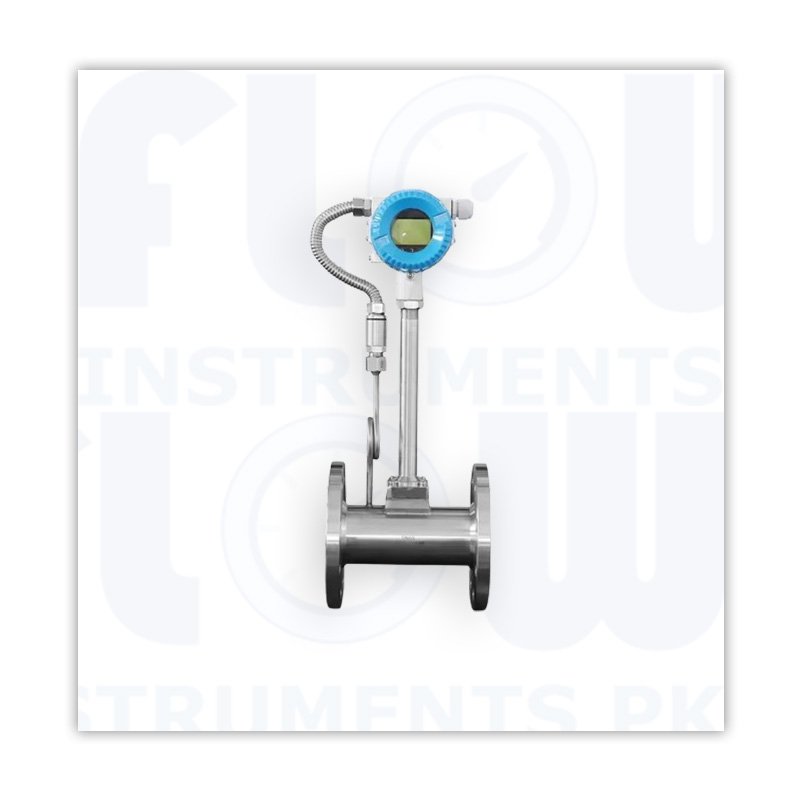
Electromagnetic Flow Meters – High-Precision Flow Measurement Solutions for Industrial Applications

Introduction

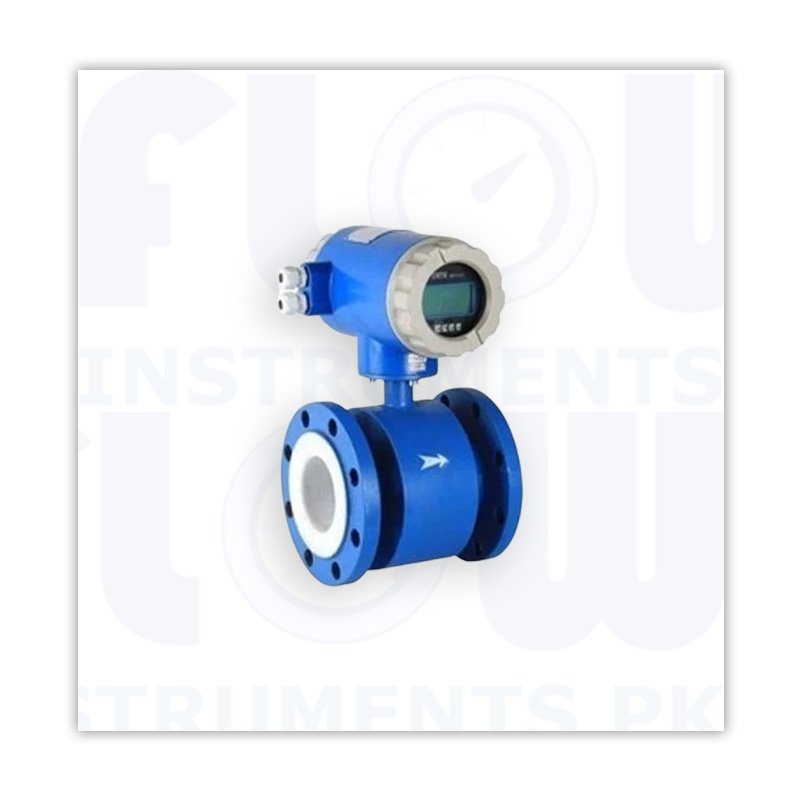
Electromagnetic Flow Meters are among the most reliable and accurate flow measurement devices used across various industries, including water treatment, chemical processing, food & beverage, pharmaceuticals, and wastewater management. Designed to measure the flow rate of conductive liquids, these advanced instruments provide exceptional accuracy, minimal maintenance, and long-term performance.

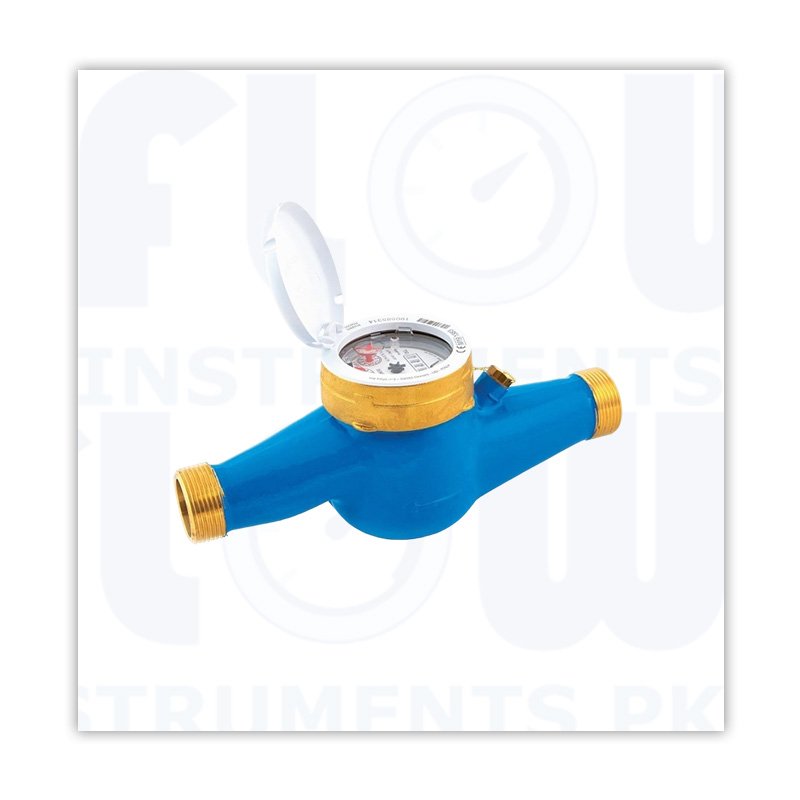
Multi Jet Water Meter

What Are Electromagnetic Flow Meters?

Electromagnetic Flow Meters, often referred to as Mag Flow Meters, are electronic devices that measure the flow rate of conductive liquids using Faraday’s Law of Electromagnetic Induction.

When a conductive liquid passes through a magnetic field generated inside the flow tube, a voltage is induced. This voltage is directly proportional to the velocity of the liquid and is converted into an accurate flow measurement.

How Do Electromagnetic Flow Meters Work?

The operating principle involves:

  1. A magnetic field generated by coils.
  2. Conductive fluid flowing through the meter.
  3. Electrodes detecting the induced voltage.
  4. A transmitter converting the signal into flow rate data.

Since there are no moving parts, electromagnetic flow meters offer excellent reliability and reduced wear over time.

Key Features of Electromagnetic Flow Meters

High Measurement Accuracy

Modern electromagnetic flow meters provide accuracy levels of up to ±0.2% of the measured value, making them ideal for critical industrial processes.

No Moving Parts

Unlike mechanical flow meters, electromagnetic flow meters contain no moving components, reducing maintenance costs and extending service life.

Wide Pipe Size Compatibility

Available in various sizes ranging from small laboratory installations to large municipal water pipelines.

Bi-Directional Flow Measurement

Many models can measure flow in both directions, making them suitable for complex industrial systems.

Digital Communication Support

Most advanced electromagnetic flow meters support:

  • Modbus
  • HART Protocol
  • Profibus
  • RS485 Communication
  • Industrial IoT Integration

Benefits of Using Electromagnetic Flow Meters

Accurate Flow Monitoring

These meters provide highly precise flow readings even under challenging operating conditions.

Low Maintenance Requirements

With no moving parts and minimal mechanical wear, maintenance costs remain significantly lower compared to traditional flow measurement technologies.

Long Operational Life

Electromagnetic flow meters are designed for continuous operation in demanding industrial environments.

Excellent Chemical Resistance

Different liner materials enable compatibility with corrosive chemicals, acids, and industrial liquids.

Reduced Pressure Loss

The unrestricted flow path minimizes pressure drops across the system.

Industrial Applications of Electromagnetic Flow Meters

Water Treatment Plants

Used for:

  • Raw water monitoring
  • Treated water measurement
  • Distribution system management

Wastewater Treatment Facilities

Ideal for monitoring:

  • Sewage flow
  • Effluent discharge
  • Sludge transfer operations

Chemical Processing Industry

Suitable for:

  • Acid transfer
  • Chemical dosing
  • Corrosive fluid measurement

Food and Beverage Industry

Commonly used for:

  • Milk processing
  • Juice production
  • Beverage manufacturing
  • Liquid ingredient monitoring

Pharmaceutical Manufacturing

Ensures accurate measurement of conductive liquids used in production and cleaning processes.

Mining and Mineral Processing

Effectively measures slurry and abrasive liquid flow applications.


Types of Electromagnetic Flow Meters

Inline Electromagnetic Flow Meters

Installed directly into pipelines and offer highly accurate continuous measurement.

Insertion Electromagnetic Flow Meters

Designed for large-diameter pipes where full-bore installations may be costly.

Battery-Powered Electromagnetic Flow Meters

Ideal for remote locations without a permanent power supply.

Smart Electromagnetic Flow Meters

Equipped with advanced diagnostics, remote monitoring, and Industrial IoT connectivity.


How to Choose the Right Electromagnetic Flow Meter

When selecting an electromagnetic flow meter, consider the following factors:

1. Fluid Conductivity

The liquid must have sufficient electrical conductivity for accurate measurement.

2. Pipe Size

Choose a meter compatible with your pipeline dimensions.

3. Operating Temperature

Verify the meter’s temperature rating for your application.

4. Pressure Requirements

Ensure the unit can withstand system pressure conditions.

5. Chemical Compatibility

Select appropriate electrode and liner materials.

6. Communication Protocols

Confirm compatibility with your automation or SCADA systems.

Technical Specifications

ParameterTypical Range
Accuracy±0.2% to ±0.5%
Pipe SizeDN10 to DN3000
Temperature Range-20°C to 180°C
Pressure RatingUp to 40 Bar
Output Signals4-20mA, Pulse, Digital
CommunicationHART, Modbus, Profibus
Protection RatingIP65, IP67, IP68


People Also Ask (FAQs)

1. What liquids can be measured using an electromagnetic flow meter?

Electromagnetic flow meters can measure conductive liquids such as water, wastewater, acids, alkalis, slurries, chemicals, and food-grade liquids. They cannot measure non-conductive fluids like oils or gases.

2. How accurate are electromagnetic flow meters?

Most modern electromagnetic flow meters offer accuracy between ±0.2% and ±0.5%, making them one of the most precise flow measurement technologies available.

3. Do electromagnetic flow meters require regular maintenance?

Very little maintenance is required because these meters have no moving parts. Periodic inspection and electrode cleaning may be recommended depending on the application.

4. Can electromagnetic flow meters measure dirty or corrosive liquids?

Yes. They are specifically designed to handle wastewater, slurries, chemicals, and corrosive fluids when fitted with appropriate liner and electrode materials.

5. What is the lifespan of an electromagnetic flow meter?

A properly installed and maintained electromagnetic flow meter can operate efficiently for 10–20 years or longer, depending on environmental and process conditions.

6. Are electromagnetic flow meters suitable for water treatment plants?

Absolutely. They are widely used in municipal and industrial water treatment systems due to their accuracy, reliability, and low maintenance requirements.


Download Broucher

Flow Instruments PK is a dedicated flow measurement and process instrumentation, we specialize in supplying high-performance flow meters and industrial instrumentation solutions to a wide range of industries.

Electromagnetic Flow Meters have become the industry standard for accurate conductive liquid measurement across water treatment, chemical processing, food manufacturing, pharmaceuticals, and wastewater applications. Their high precision, maintenance-free operation, and compatibility with modern automation systems make them an excellent investment for businesses seeking reliable flow monitoring solutions.

Related Products

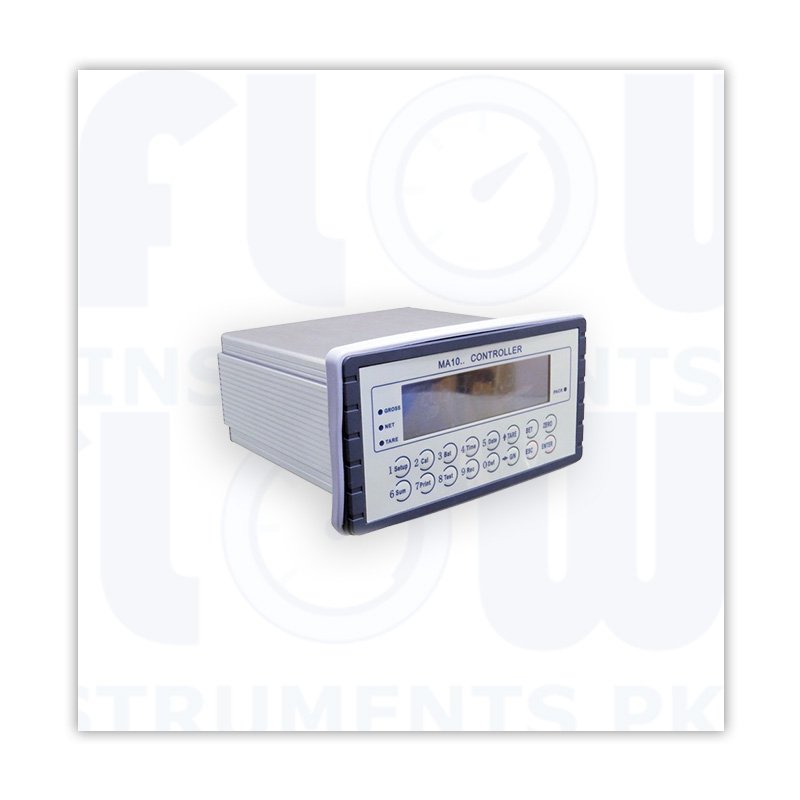
Batch Controllers

Multi Jet Water Meter

Multi Jet Water Meter

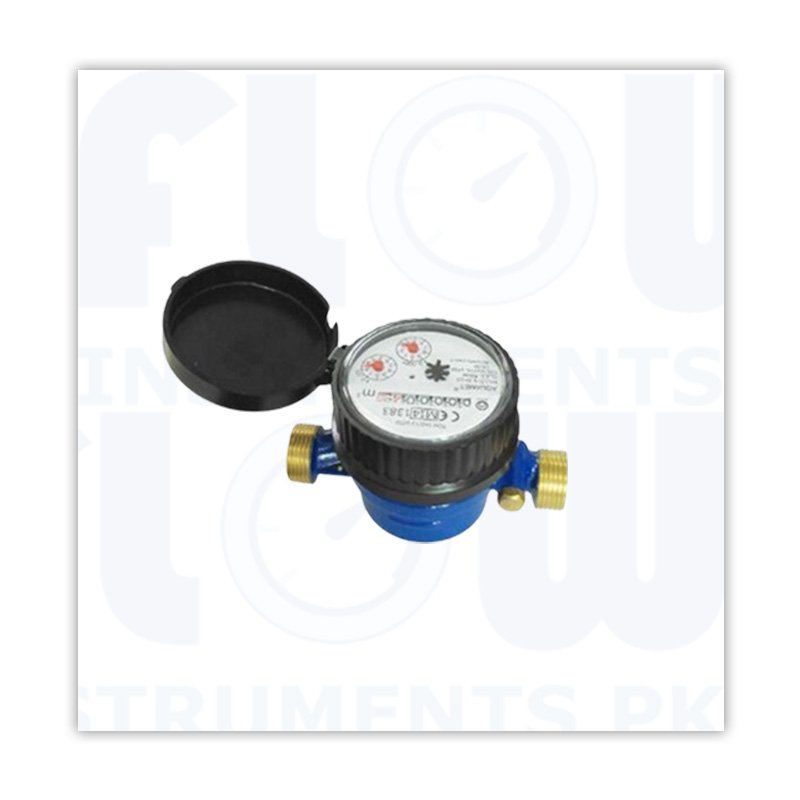
Single Jet Water Meter

Single Jet Water Meter

Vortex Flow Meter